
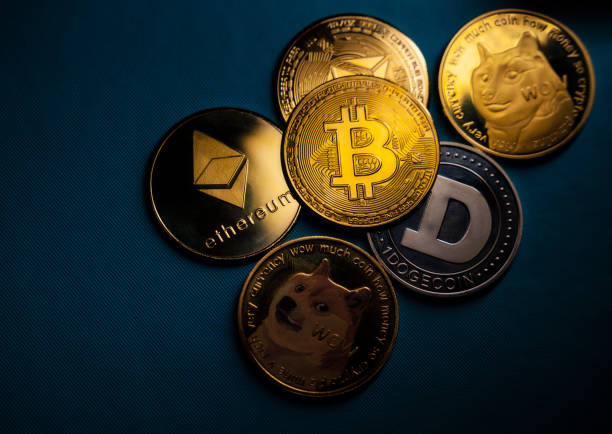

I still remember checking prices half-asleep at 3 a.m., phone screen cracked, wondering if I should really trust an app holding most of my savings. That feeling hasn’t totally gone away, even now. But honestly, the Best Crypto Exchanges 2026 look very different from the sketchy, pop-up-heavy platforms people were using a few years back. Things feel more… grown up. Not perfect. Just less like a wild west saloon and more like a crowded airport with rules that kind of work.
Crypto exchanges today aren’t just places to buy and sell coins. They’re apps you open more often than Instagram, and yeah, that says a lot about how normal crypto has become. On X (I still want to call it Twitter, sorry), people complain less about withdrawals being “stuck forever” and more about UI updates they don’t like. That shift alone tells you something important has changed.
Why Everyone Suddenly Cares About Exchanges Again
Back in 2021, everyone cared about price. That was it. Nobody read terms, nobody cared where the company was registered. Fast forward to now, and after a few public blowups, people are weirdly educated. Not expert-level educated, but enough to ask uncomfortable questions. Like, “Can I withdraw on Sunday?” or “What happens if this exchange just disappears?”
One underrated fact I saw floating around Reddit recently: over 60 percent of active traders in 2026 use more than one exchange. Not because they love complexity, but because trust is split. One for holding, one for trading, one just for experimenting with meme coins at 2 a.m. That behavior didn’t exist much earlier.
The Apps Got Boring (And That’s a Good Thing)
This might sound strange, but the best thing that happened to crypto exchanges is that they became boring. Less flashing banners, fewer “limited time bonus” popups screaming at you. Interfaces now look like finance apps, not online casinos. Ironically, that’s exactly why more people trust them.
I tested a few exchanges recently just out of curiosity. No big research project, just clicking around like a normal user. What stood out wasn’t fancy tools, but small stuff. Faster KYC approvals. Clear fee breakdowns. A help chat that didn’t feel like talking to a brick wall. One exchange even warned me I was about to overpay on a market order. That felt almost… caring? Weird.
Fees, Because Nobody Likes Talking About Them
Nobody brags about fees, but everyone complains about them later. That hasn’t changed. What has changed is transparency. The better exchanges in 2026 show you exactly how much you’re paying before you click buy. Sounds basic, but it wasn’t always like that.
A trader on Telegram joked last month that crypto fees used to be like restaurant bills without prices. You ordered first, regretted later. Now it’s more like fast food menus. Still not cheap, but at least you know what you’re getting into.
Security Is Still the Silent Dealbreaker
Here’s my personal bias, and yeah, maybe I’m paranoid. If an exchange has never been hacked, I still don’t fully trust it. That might sound unfair, but experience does that to you. The better platforms now talk openly about past issues. They show proof of reserves. They publish audits. Not because they’re saints, but because users demand receipts.
A lesser-known stat I stumbled on while doomscrolling LinkedIn: exchanges that publish regular transparency reports retain users almost 40 percent longer. Makes sense. Silence feels suspicious in crypto.
Social Media Vibes Matter More Than Ads
One thing no one really talks about is how much social media sentiment influences where people trade. Nobody believes ads anymore. People believe screenshots. If withdrawals are delayed, it’s on X in five minutes. If support is slow, Reddit has a thread within the hour.
I’ve seen exchanges lose credibility overnight just because a few viral posts went around. On the flip side, platforms that respond publicly and fix issues fast earn weird loyalty. It’s like customer service theatre, but it works.
Regulation Didn’t Kill the Fun (Sorry, Maximalists)
There was a lot of fear that regulation would kill crypto. It didn’t. It just made exchanges act like adults. Some traders hate that. Most users secretly love it. Being able to explain to your bank where your money is going without sweating is underrated.
The exchanges thriving now are the ones that figured out how to balance rules without killing usability. Not easy, but clearly possible.
So, Where Does That Leave Us Now
If you’re looking at the Best Crypto Exchanges 2026 today, you’re not choosing between good and bad. You’re choosing between slightly different philosophies. Some focus on traders. Some are beginners. Some just want to be the safest place to park assets and forget about them for a while.