
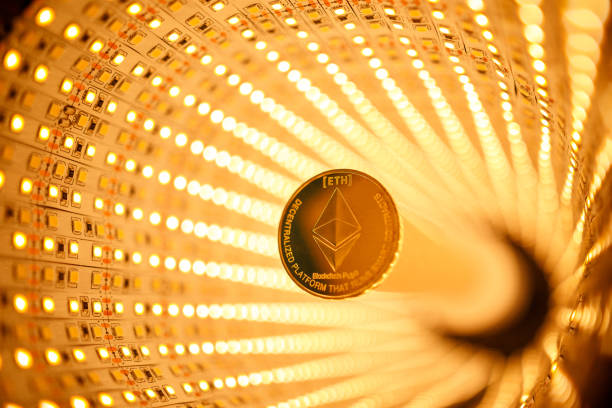

I woke up late, spilled coffee on my desk, and the first thing I saw on my phone was Ethereum news blowing up again. At this point, it feels normal. Ethereum doesn’t really sleep. It just keeps tweaking itself, like that one friend who’s always working on something new while the rest of us are still figuring out last year. I didn’t even plan to read deeply that morning, but one headline turned into five tabs, and suddenly an hour was gone.
That’s kind of how Ethereum pulls you in. You think you’re just checking a price or update, and next thing you know, you’re reading opinions, arguments, memes, and hot takes from people who clearly haven’t touched grass in days.
Upgrades, Opinions, and Everyone Acting Like an Expert
One thing I’ve noticed after following this space for a couple years is how confident everyone sounds. Doesn’t matter if it’s a dev, a trader, or a random account with an anime profile pic. Everyone has a take. Some are smart, some are wild, and some make you laugh even if they’re wrong.
Ethereum upgrades are a perfect example. On paper, they’re technical. Gas fees, validators, scalability, Layer 2 stuff that sounds boring if you explain it at a dinner table. But online, it turns into drama. People argue like it’s a sport. One side says it’s revolutionary, the other says it’s overpriced nonsense.
It reminds me of when smartphones first started updating every year. Half the people were excited, half said it was pointless. Ten years later, here we are, glued to our screens.
Why Fees Still Trigger Everyone
Let’s be honest, gas fees are Ethereum’s most toxic relationship. No matter how much progress happens, someone will bring up fees like an ex that won’t move on. And fair enough. Paying more for a transaction than for lunch feels wrong.
But here’s a lesser-known thing people forget. During peak hype cycles, high fees usually mean high demand. That’s not always bad. It’s annoying, sure, but it also means people are actually using the network. Empty malls are cheap, busy ones cost more.
I’ve seen Reddit threads where users complain about fees while also bragging about profits made on the same network. The irony kind of writes itself.
The Social Media Mood Swings Are Half the Story
If you really want to understand Ethereum, don’t just read official updates. Watch the mood. When Twitter is calm, things are usually building quietly. When everyone is screaming, something big just happened or is about to break.
I’ve noticed that memes change before prices do. When jokes shift from optimism to sarcasm, sentiment is turning. That’s not in any whitepaper, but it’s real. Crypto runs on vibes more than people admit.
Telegram groups get quieter during uncertainty. Discords fill up during excitement. Those patterns repeat more than charts sometimes.
Personal Mistake Time, Because Yeah, I’ve Made Them
I once ignored a major Ethereum update because I thought it’s probably already priced in. That was lazy thinking. A week later, the market reacted anyway, and I sat there pretending I didn’t care. I did care. I just didn’t want to admit I missed the signal.
Following this space teaches you humility. You’re wrong often. Anyone who says otherwise hasn’t been here long enough.
Why Ethereum Still Feels Different
There’s something stubborn about Ethereum. It doesn’t try to be perfect. It tries to improve. Slowly, sometimes painfully, but consistently. That’s rare in tech and even rarer in finance.
Other chains come and go with loud promises. Ethereum just keeps shipping updates and letting people argue about them. That’s confidence, even if it’s quiet.
Developers still build here despite complaints. Institutions still watch closely despite volatility. That combination matters more than hype.
Noise vs Signal, and Learning to Tell the Difference
One skill I’m still learning is filtering. Not everything trending matters. Not every crash is a disaster. Not every pump is the start of something huge.
I’ve started paying attention to long-term conversations rather than daily panic. When builders talk calmly while traders scream, that’s interesting. When users complain but keep using the network, that’s even more interesting.
It’s like a restaurant that always has a line even though people complain about the wait. Clearly, something is working.
Ending Where Most People Start, With Updates
At the end of the day, staying updated doesn’t mean obsessing. It means understanding context. Reading Ethereum news isn’t about chasing every move or prediction. It’s about knowing why things feel the way they do.
Ethereum isn’t perfect, and neither are the people talking about it. But that messy mix of tech, money, and human emotion is what makes it fascinating. I still check updates, still read opinions, still laugh at bad takes. And yeah, I still miss things sometimes. That’s part of it.