
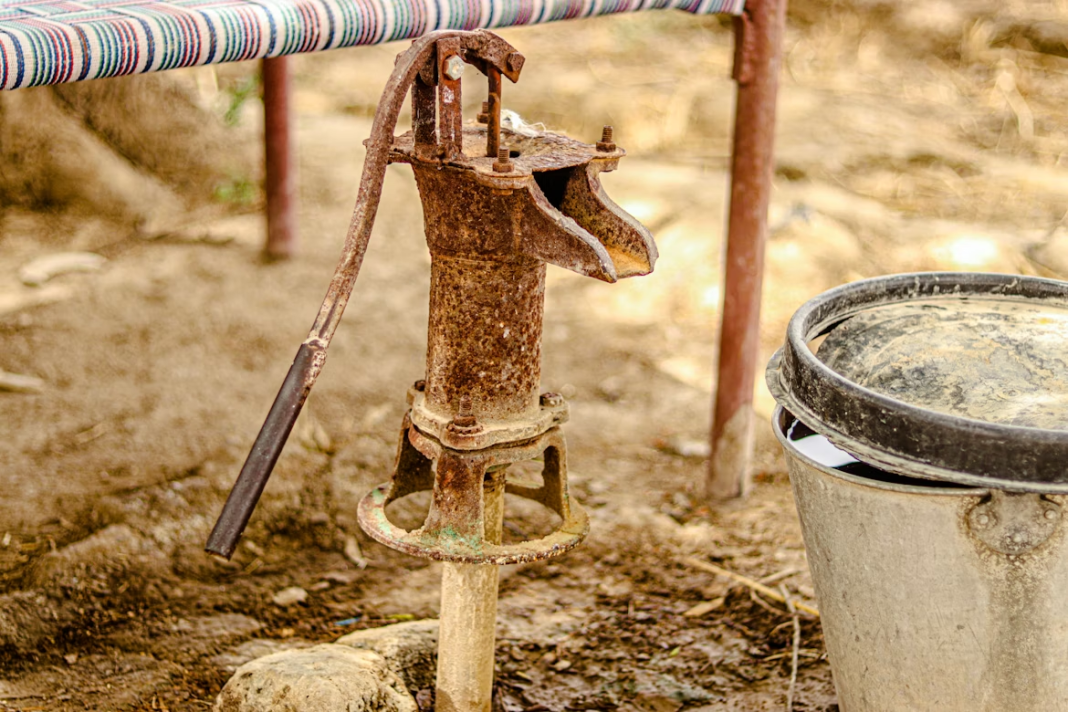

Water quality and availability depend heavily on how deep a well is constructed and the geological conditions below the surface. Water well drilling plays a vital role in accessing clean, reliable groundwater for residential and agricultural use. Understanding the relationship between well depth and water quality helps property owners make informed decisions and ensures long-term water safety.
1. The Importance of Well Depth
Well depth determines which underground water source is accessed during water well drilling. Shallow wells usually tap into surface aquifers, while deeper wells reach confined aquifers protected by layers of rock.
Deeper sources are often less exposed to surface contamination, making proper water well drilling depth a key factor in securing cleaner water.
2. Shallow Wells and Water Quality Risks
Shallow wells are typically easier and less expensive during water well drilling, but they carry higher risks. These wells are more vulnerable to pollutants such as fertilizers, bacteria, and runoff from nearby land use.
Because shallow groundwater is closer to the surface, water well drilling at limited depths may result in water that requires additional treatment.
3. Deep Wells and Natural Filtration
Deep wells benefit from natural filtration as water passes through layers of soil and rock over time. Water well drilling that reaches deeper aquifers often produces water with fewer biological contaminants.
However, deeper does not always mean perfect, as minerals such as iron, sulfur, or hardness can still affect water quality after water well drilling is completed.
4. Geological Conditions and Aquifer Types
Local geology significantly impacts both well depth and water quality. During water well drilling, professionals assess soil composition, rock formations, and aquifer pressure.
Some regions require deeper wells to access stable water sources, while others have high-quality water at moderate depths. Understanding geology ensures water well drilling targets the most reliable source.
5. Testing Water Quality After Drilling
Once water well drilling is complete, thorough water testing is essential. Testing identifies chemical, bacterial, and mineral content that may affect taste, safety, or appliance performance.
Even with deep water well drilling, periodic testing is recommended to monitor changes in groundwater conditions and maintain safe water standards.
6. Long-Term Maintenance and Well Performance
Well depth also affects long-term performance and maintenance needs. Proper water well drilling reduces the likelihood of sediment buildup, pump strain, and fluctuating water quality.
Regular inspections, cleaning, and system updates help ensure that water well drilling investments continue to deliver consistent, clean water over time while extending equipment lifespan, improving efficiency, reducing repair costs, and ensuring dependable water access for households year-round.
Conclusion
Understanding the connection between well depth and water quality is essential for anyone considering a private water system. Strategic water well drilling ensures access to safer groundwater, reduces contamination risks, and supports long-term reliability.
By choosing the correct depth, conducting proper testing, and maintaining the system, water well drilling can provide dependable, high-quality water for years to come, while improving household health, minimizing unexpected repair costs, and increasing overall property value.