
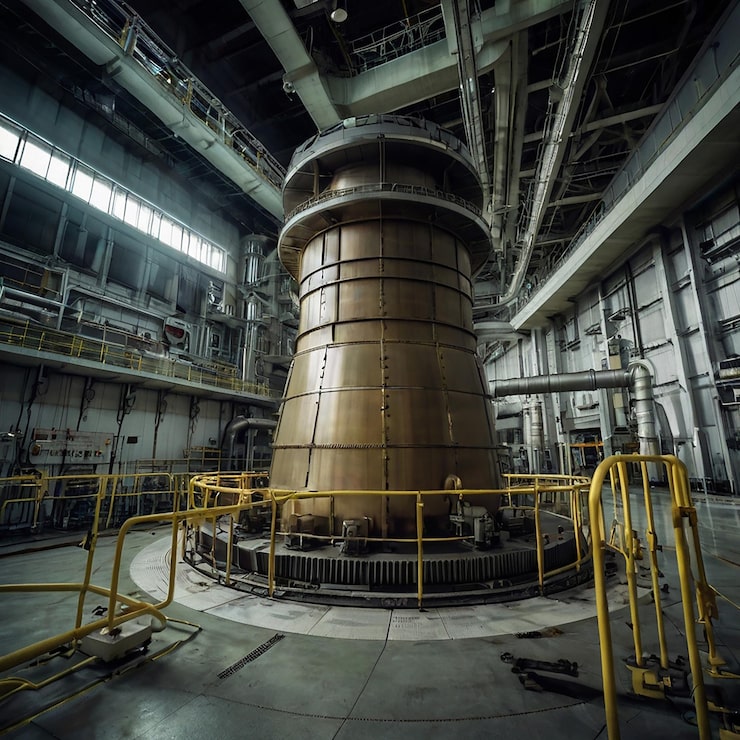

the part nobody notices until heat and money both start escaping
kiln shell seal is honestly one of those components that feels boring at first glance. like if you show it to someone outside the industry, they’ll probably just nod and move on. but inside a working plant, it’s doing way more than it gets credit for. i remember talking to a maintenance guy once and he said something like, “if your seal is bad, your kiln is basically working against you.” at that time i didn’t fully get it, but later it kinda clicked.
when you check something like you start realizing it’s not just about closing a gap. it’s about controlling heat, airflow, dust, and even stability to some extent. kilns are not gentle machines, they expand, rotate, shift slightly, and create conditions that would probably destroy normal mechanical parts in days.
i once saw a thermal camera clip where heat leakage around the kiln outlet looked like some invisible fire escaping. not dramatic in real life, but on screen it looked wild. and all that heat? basically wasted energy. like paying for something and then just letting it go.
why outlet sealing systems are kinda smarter than they look
kilns are always in motion, not just rotating but also expanding because of high temperature. so a stiff system would just crack or wear out quickly. these outlet systems kind of adapt, adjust, and survive longer without constant intervention.
it reminds me of those flexible shoe soles versus hard ones. the flexible ones just last longer because they absorb stress better. same logic here, just way more industrial and expensive if it fails.
i’ve seen some chatter on engineering forums where people were saying that upgrading to a better sealing system reduced their daily monitoring stress. like not having to constantly worry about leaks or weird temperature drops. not a huge headline change, but mentally it matters a lot when you’re managing operations.
efficiency gains are slow, but they hit hard over time
this part is a bit tricky because it doesn’t feel exciting. you don’t install a kiln shell seal and suddenly see numbers jumping overnight. it’s more like slow improvement that builds quietly.
heat retention is the biggest thing here. when hot gases escape, the system needs more fuel to maintain the required temperature. simple idea, but often ignored because the loss isn’t super obvious day to day.
i read somewhere, not sure how official it was, that inefficient sealing can waste close to 8 to 10 percent of thermal energy. even if that’s slightly off, it still gives you an idea. that’s not small money, especially in industries running continuously.
using properly along with a good kiln shell seal helps keep that heat inside doing actual work instead of escaping uselessly. it’s kind of like closing all windows when the AC is on. obvious, but people still forget sometimes.
i once explained this to a friend by comparing it to mobile data leaks from background apps. you don’t notice immediately, but suddenly your data is gone. he laughed and said it’s a weird comparison again… but also said it made sense.
dust leakage is annoying and this actually helps more than expected
this is something you can literally see. poor sealing means dust escaping near the kiln outlet, and over time it creates a messy environment. and not just messy, it’s also not great for workers breathing that stuff regularly.
i’ve seen older setups where there’s a constant dusty haze near the sealing area. it becomes so normal that people stop questioning it. but when better systems are installed, the difference is noticeable.
combining kiln shell seal with setups reduces that leakage quite a bit. not perfect, but definitely cleaner. and yeah, it also makes the plant look more controlled and professional.
funny thing is, even small visual improvements change how people feel about a place. cleaner setup just feels more reliable, even if the internal processes are the same.
durability is where it quietly proves its worth
this is probably the least talked about benefit, but maybe the most important. durability doesn’t sound exciting, but it saves money in ways people don’t always calculate properly.
replacing seals is not just about buying new parts. it’s downtime, labor cost, coordination, and sometimes lost production. so a system that lasts longer reduces all that stress.
designs are made to handle harsh conditions for longer periods, which means fewer replacements and less frequent maintenance work. not zero maintenance obviously, nothing is perfect, but still a big improvement.
i feel like industries sometimes chase big upgrades because they look impressive in presentations. but small improvements like this are what keep everything stable in the background. it’s like servicing your bike regularly instead of waiting for it to break down in the middle of nowhere.
it’s not flashy, but it holds everything together in a way
no one is going to celebrate a kiln shell seal upgrade like it’s a major milestone. it just doesn’t sound exciting. but behind the scenes, it’s doing a lot of heavy lifting.
from keeping heat where it belongs to reducing dust and lowering maintenance stress, it’s one of those components that quietly supports the entire system. and when paired with the right sealing setup, it works even better.
honestly, it feels like the kind of thing people only appreciate after experiencing problems without it. like good internet connection, you don’t think about it until it’s gone.
so yeah, kiln shell seal might not be the star of the show, but it’s definitely one of the reasons the show doesn’t fall apart. and in industrial setups, that kind of reliability is probably more valuable than anything flashy or overhyped.