
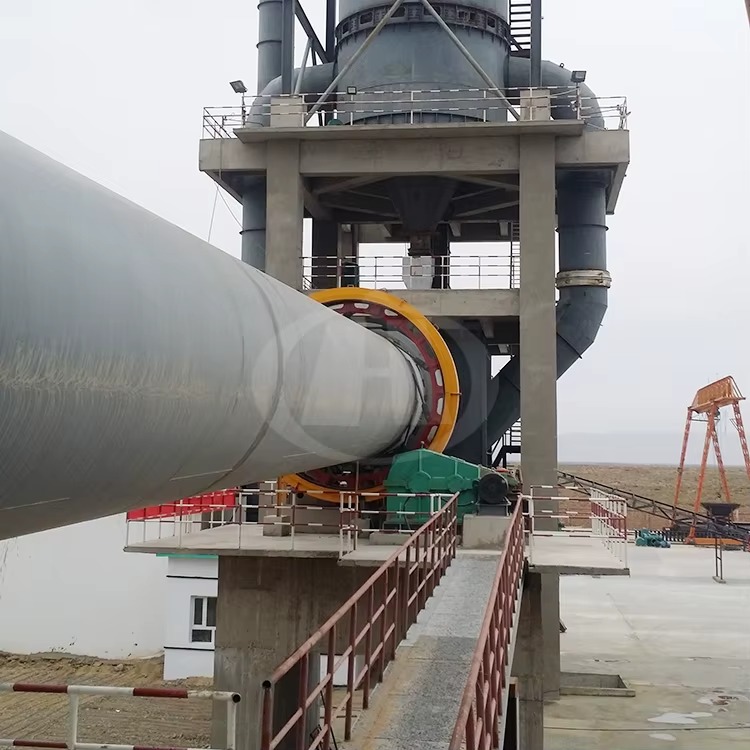

I remember the first time I seriously looked into industrial kiln maintenance tips, it felt kinda overwhelming… like opening a machine and suddenly seeing 500 parts you didn’t even know existed. But honestly, once you get past that initial “what is even happening here” moment, it starts making sense. If you’re working around kilns daily, you already know they’re not just machines — they’re more like moody coworkers. Treat them well, they run smooth. Ignore them, and suddenly everything breaks at once.
One thing I’ve noticed, and maybe this is just me, people often underestimate how small issues snowball in kiln systems. Like a tiny seal leak… doesn’t feel urgent at first, right? But give it a few weeks and boom, heat loss, energy waste, production delays. It’s kind of like ignoring a small crack in your phone screen. You tell yourself “it’s fine,” then one drop later the whole display gone.
If you’re curious, I came across some useful industrial kiln maintenance tips that actually explain this better than most overly technical manuals.
Why Regular Checks Are More Important Than You Think
There’s this weird mindset in some plants where maintenance is only taken seriously after something fails. I don’t know why, maybe because shutting things down for inspection feels like losing money. But honestly, not checking things regularly costs way more.
I once saw a case (not directly mine, but in a discussion forum) where a plant ignored minor alignment issues. It didn’t seem urgent. But over time, it caused uneven wear on rollers, which then affected rotation, and eventually the whole kiln had to be shut for major repair. That downtime? Way more expensive than a few routine checks would have been.
Also, a lesser-known thing… even slight misalignment can increase fuel consumption. It’s not something people talk about much, but I read somewhere that inefficient rotation can push energy usage up by like 5–10%. Doesn’t sound huge until you calculate monthly costs. Then it hits different.
Seals and Heat Loss… kinda underrated topic
Okay so kiln seals. Not the most exciting thing to talk about, I get it. But they matter a lot more than people think.
Think of it like leaving your AC on with windows slightly open. The system still runs, sure… but it’s working harder than needed. Same thing happens when seals aren’t doing their job properly. You lose heat, which means more fuel is burned to maintain temperature.
I’ve seen operators just “adjust” seals temporarily instead of replacing or fixing them properly. Quick fix mentality. Works for a few days, maybe weeks, then same problem comes back. It’s like putting tape on a leaking pipe. Looks fixed until it’s not.
And honestly, this is where most energy inefficiency quietly creeps in. Not big breakdowns, but these small overlooked things.
Lubrication isn’t just routine… it’s survival
I used to think lubrication schedules were just boring paperwork stuff. Turns out, not really.
Rotating parts in kilns are under constant stress. Bearings, rollers, gears… they don’t get a break. If lubrication isn’t done properly, wear happens faster than you expect. And not in a “we’ll fix it next month” way, more like sudden failure type.
There was this one technician who said something funny but true — “metal parts don’t forgive dryness.” Sounds dramatic, but yeah, it sticks.
Also, over-lubrication can be a problem too. That part surprised me. Too much grease can actually trap heat or attract dust, making things worse. So yeah, balance matters, not just frequency.
Listen to the machine… literally
This might sound a bit odd, but experienced operators often say you can hear when something’s off.
Like, a slight grinding noise, or unusual vibration. These are early signals. The tricky part is, if you’re around the kiln all the time, you kinda get used to the noise and stop noticing changes.
I remember reading a discussion on LinkedIn where someone mentioned they record normal operating sounds and compare them occasionally. That’s actually smart, though not many people do it.
Ignoring these small signs is like ignoring a weird sound in your car engine. You know it’s not normal, but you hope it just goes away. Spoiler: it doesn’t.
Cleaning… yeah, it’s boring but important
No one likes talking about cleaning in industrial setups, but buildup is a real issue.
Dust, residue, clinker deposits… they don’t just sit there quietly. They affect airflow, heat transfer, and sometimes even structural parts. Over time, this reduces efficiency without you even realizing it.
It’s kind of like cholesterol in arteries (okay weird analogy but you get it). Everything still works… until it doesn’t.
And cleaning isn’t just about appearance or safety compliance. It directly affects performance. I think that part is often ignored.
People matter more than process sometimes
This might be a bit of a personal opinion, but I feel like kiln performance depends a lot on the people handling it.
You can have the best maintenance plan written down, but if the team isn’t trained properly or doesn’t take it seriously, it won’t work. On the flip side, experienced operators sometimes catch issues faster than any sensor.
There’s also a bit of social media chatter lately (especially on industry groups) about skill gaps in maintenance teams. New hires sometimes rely too much on automation and less on practical observation. Not saying tech is bad, but balance is needed.
Small habits that make a big difference
Over time, I’ve realized it’s not big overhauls that keep kilns running well. It’s small, consistent habits.
Checking alignment regularly, not skipping lubrication, actually fixing leaks instead of patching them, paying attention to weird sounds… these things don’t feel important daily. But they add up.
Kind of like going to the gym. One workout doesn’t change much, but consistency does.
And yeah, sometimes it feels repetitive. You might even think “nothing’s wrong, why check again?” But that’s exactly when things usually start going wrong.
So yeah, kiln maintenance isn’t glamorous. It’s not exciting. But it’s one of those behind-the-scenes things that keeps everything else working. Ignore it, and you’ll definitely notice… just not in a good way.