

Experiencing a mechanical failure while driving can be a stressful and potentially dangerous situation. Whether it is a sudden engine stall, a flat tire, or an electrical malfunction, knowing how to react immediately is crucial for your safety and the safety of other motorists.
Preparation and a calm mindset are your best tools when your vehicle becomes immobilized in the middle of a busy road.
By following a structured set of safety protocols, you can minimize risks and ensure that help arrives as quickly as possible to get you back on your way.
1. Moving to Safety and Calling for Tow Truck Services
The moment you realize your vehicle is losing power, your primary objective should be to move off the main driving lanes. If possible, coast to the emergency shoulder or a nearby parking lot.
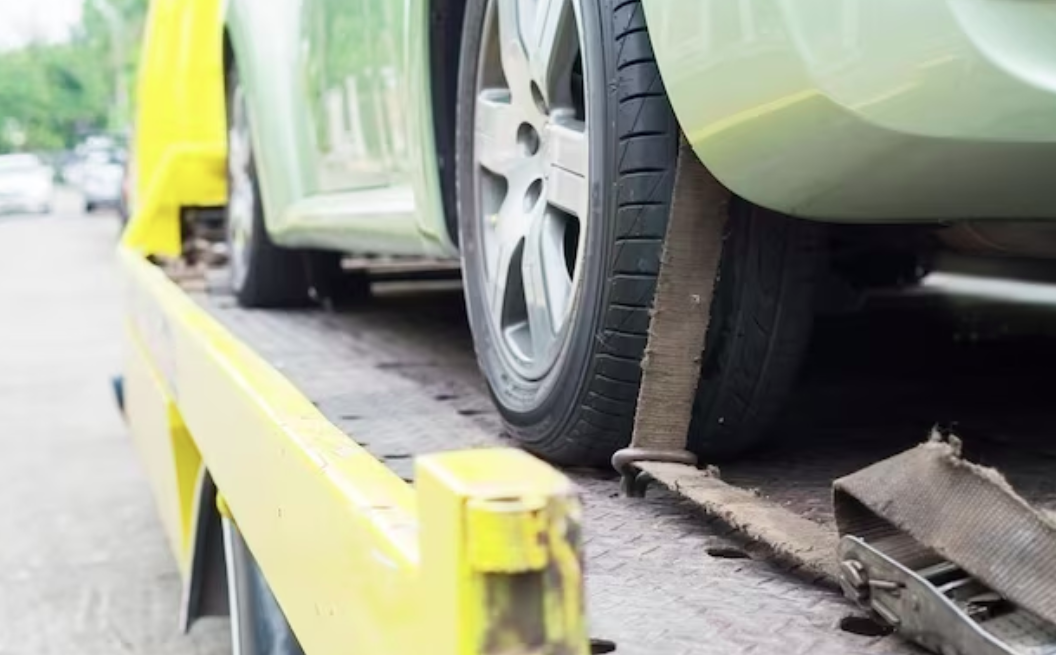
Once you are in a stationary position, the most reliable way to clear the road is to contact professional tow truck services to transport your vehicle to a repair facility.
Professional recovery teams have the equipment necessary to handle your car safely without causing further damage to the transmission or bodywork, allowing you to exit the hazardous roadside environment quickly.
2. Ensuring Long Term Utility with a Towbar Fitting Service
While waiting for assistance, many drivers consider how they might better prepare their vehicle for future utility or self recovery needs. For those who frequently travel or manage heavy loads, investing in a professional towbar fitting service can be a transformative upgrade.
Having a high quality towbar installed by experts ensures that your vehicle is capable of pulling trailers or recovery equipment safely and legally.
This modification not only increases the versatility of your car for recreational activities but also provides an additional point of contact should you ever need a pull in a non emergency recovery situation.
3. Increasing Visibility with Hazard Lights and Signals
Once stopped, you must make your vehicle as visible as possible to oncoming traffic, especially during night hours or in poor weather conditions. Immediately activate your hazard warning lights to signal that your car is a stationary obstacle.
If you have an emergency kit, place reflective triangles or flares approximately fifty meters behind your vehicle to give other drivers ample time to change lanes. Keeping your sidelights on during dusk or dawn further ensures that you do not become a hidden hazard on a dark stretch of road.
4. Evaluating the Situation and Staying with the Vehicle
In most cases, the safest place to remain is inside your vehicle with your seatbelt fastened, particularly on high speed motorways. If you must exit the car to check for a simple fix like a loose battery terminal, always exit through the door furthest from traffic.
Avoid standing directly behind or in front of the car, as a secondary collision could push the vehicle into you. Use your mobile phone to provide your exact location to emergency dispatchers, noting any nearby mile markers, landmarks, or exit signs.
5. Managing Essential Supplies in an Emergency Kit
A breakdown can sometimes result in a long wait, making it essential to keep a basic survival kit in your trunk. This kit should include a portable phone charger, a flashlight with extra batteries, a first aid kit, and sufficient drinking water.
During colder months, keeping heavy blankets and reflective vests can prevent hypothermia and improve your safety if you are forced to step outside.
Being self sufficient for a few hours reduces the stress of the situation and ensures you remain comfortable until professional help arrives.