
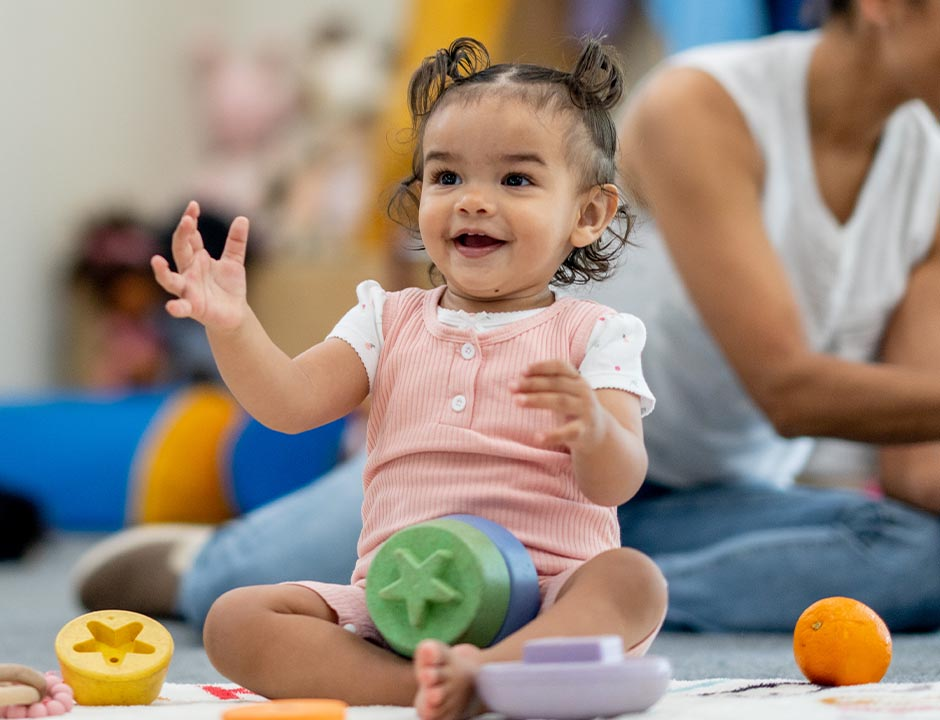

Early childhood is a critical period for growth and development, laying the foundation for lifelong wellbeing. Advances in child development research and education have fostered innovative approaches to support young children’s physical, emotional, social, and cognitive growth. This article explores some of the most effective modern strategies designed to enhance early childhood wellbeing, focusing on toddler care, preschool environments, and other holistic methods.
Toddler Care: Ensuring Holistic Development
Toddler care plays a vital role in fostering a safe, nurturing environment where young children can explore, learn, and build essential skills. Quality toddler care integrates developmentally appropriate activities that support motor skills, language acquisition, and emotional regulation. Caregivers in toddler care settings are trained to observe and respond to each child’s individual needs, helping toddlers develop confidence and independence while providing emotional security.
Innovative toddler care programs now incorporate sensory play, music therapy, and movement-based learning to stimulate brain development. These approaches recognize the importance of engaging toddlers in hands-on activities that encourage curiosity and problem-solving from an early age.
Preschool Facility: Building Foundations for Future Learning
A preschool facility provides an enriched learning environment designed to prepare children for the academic and social challenges of school life. Modern preschool facilities focus not only on academic readiness but also on social-emotional development, creativity, and physical health.
Within a preschool facility, educators employ play-based learning models that encourage collaboration, communication, and critical thinking. Classrooms are often designed to be flexible, allowing for group activities as well as individual exploration. Innovative preschool facilities also integrate technology thoughtfully, using interactive tools to enhance literacy and numeracy without compromising hands-on experiences.
Emphasizing Social-Emotional Wellbeing
An increasingly recognized aspect of early childhood growth is the emphasis on social-emotional wellbeing. Programs now prioritize teaching children how to recognize and manage emotions, develop empathy, and build positive relationships. Approaches such as mindfulness exercises tailored for young children and guided group discussions help nurture emotional intelligence.
Early childhood professionals are trained to identify early signs of anxiety or stress, ensuring that children receive appropriate support. This proactive approach helps establish a strong emotional foundation, which is crucial for resilience and academic success.
Integrating Family and Community Engagement
Innovative early childhood programs recognize the importance of involving families and communities in supporting children’s development. Parent workshops, regular communication between caregivers and families, and community events create a collaborative network around the child.
Preschools and toddler care centers often partner with local health services, libraries, and cultural institutions to provide a richer learning experience. This integration encourages a sense of belonging and supports diverse learning opportunities beyond the classroom.
Leveraging Technology Responsibly
Technology, when used thoughtfully, can be a powerful tool for early childhood education. Interactive educational apps, virtual storytimes, and digital portfolios help engage children and provide parents with insights into their child’s progress.
Innovative programs balance screen time with traditional play, ensuring technology enhances rather than replaces hands-on learning. Educators receive training to select age-appropriate digital resources that promote creativity and problem-solving.
Focus on Physical Health and Nutrition
Physical wellbeing is a cornerstone of early childhood growth. Modern approaches incorporate daily physical activities such as yoga, dance, and outdoor play to develop coordination and strength. Nutritional education is also emphasized, teaching children and families about healthy eating habits to support brain and body development.
Preschools and toddler care programs are increasingly collaborating with nutritionists and healthcare providers to ensure children receive balanced meals and regular health screenings.
Conclusion
Innovative approaches to early childhood growth and wellbeing blend traditional values with modern research and technology. By focusing on quality toddler care, dynamic preschool facilities, social-emotional learning, family engagement, responsible technology use, and physical health, caregivers and educators create a holistic environment that nurtures every aspect of a child’s development. Investing in these approaches ensures that children not only thrive in their early years but also build a strong foundation for lifelong success.