
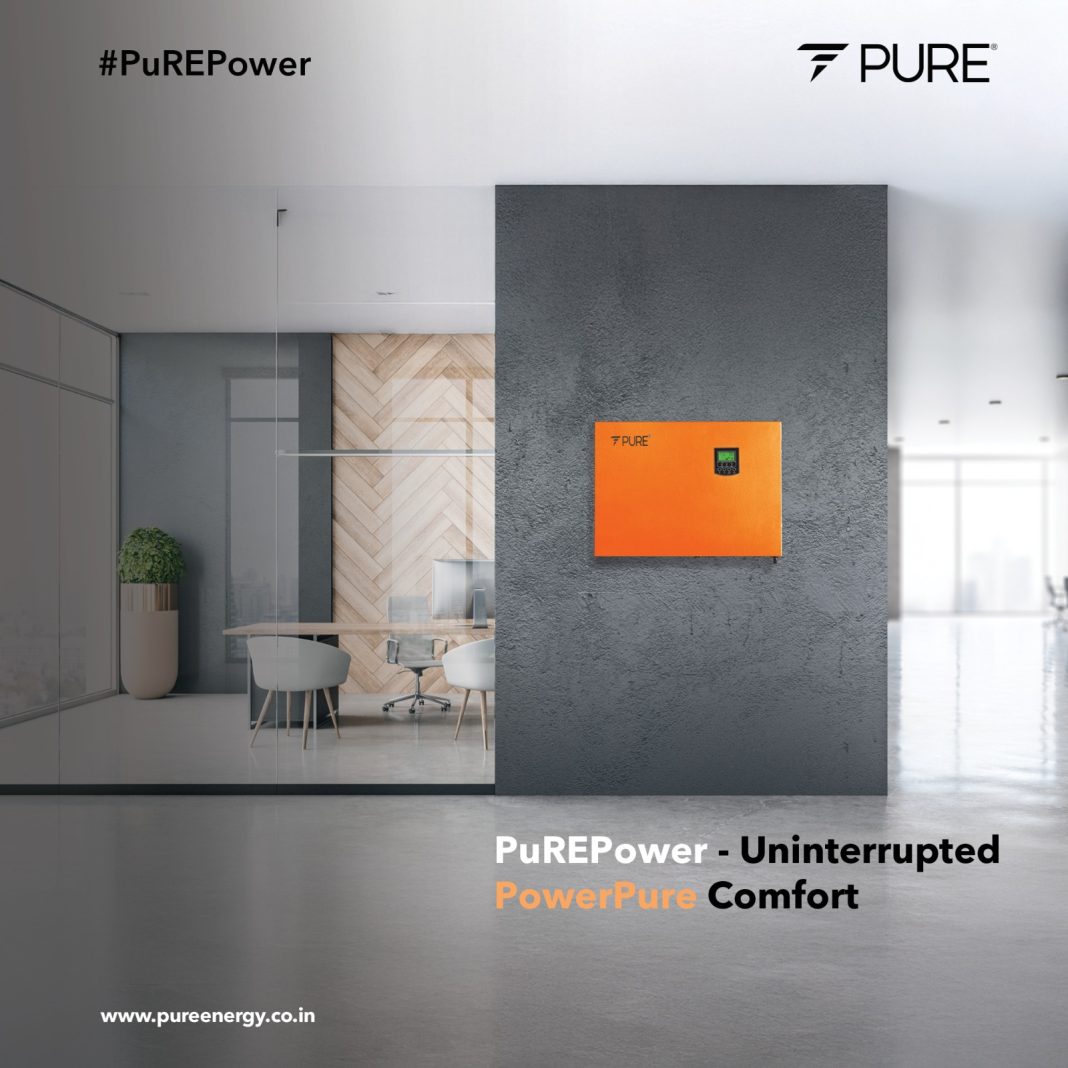

So picture this—you’re in the middle of watching a movie or maybe doing an online payment, and poof, the lights go out. The fan stops, the Wi-Fi dies, and your phone battery is already hanging by a thread. If you live in India, this isn’t even an “if” situation, it’s just another Tuesday. That’s honestly why getting a power backup battery for home is not some fancy luxury anymore—it’s basic survival.
The great Indian power cut culture
I grew up in a small town where the phrase “load shedding” was basically part of daily vocabulary. You’d hear someone yell “light chali gayi!” every other day, and the entire neighborhood would come out to complain like it’s a community ritual. Even now, in big cities like Kolkata or Pune, power cuts still happen, especially during monsoons. And if you’re someone who works from home, one minute of blackout can mess up your entire Zoom call and your mood.
It’s funny how we invest in expensive phones, smart TVs, and Wi-Fi routers but forget that all of them are just useless plastic boxes without electricity. That’s why I feel like people are slowly waking up to the idea of having a reliable power backup system—not just those giant generators that sound like old tractors, but cleaner, quieter tech like lithium battery systems.
The silent revolution of home batteries
There’s a quiet but strong shift happening. People are replacing old inverters and noisy UPS systems with modern lithium-based solutions. I read somewhere (don’t quote me) that India’s residential energy backup market is growing at around 10% yearly. That’s pretty wild. And it makes sense, because now it’s not just about emergency power—it’s about efficiency, space, and peace of mind.
The newer power backup battery for home setups are smarter. They charge faster, last longer, and don’t need you to pour acid or distilled water like those old lead-acid ones. Also, they look decent. Some of these new models actually fit in your living room corner without ruining the vibe.
Let’s talk money for a sec
Honestly, this part makes people hesitate. A good power backup battery setup isn’t dirt cheap. It can cost more upfront than the old-school inverter batteries. But here’s the trick—think long-term. Lead-acid batteries last maybe 2–3 years if you’re lucky. The lithium ones? They go on for 8–10 years, sometimes even more. Plus, they’re maintenance-free. No leakage, no smell, no weird buzzing sounds at night that make you question your life choices.
So if you break it down, you’re actually saving in the long run. It’s kind of like buying an iPhone—you complain at first, but three years later, when your friends are replacing their budget phones again, you quietly smile.
What social media says
I once went down a Reddit rabbit hole (don’t do it unless you have hours to waste) where people were comparing home battery systems. It was hilarious and insightful at the same time. Some were showing off how their solar setup with lithium batteries had kept their homes running during 8-hour outages. Others were joking about how they still use candles like it’s the 1800s.
Even on X (Twitter, whatever we call it now), you’ll see people posting videos of how their “smart homes” crash during power cuts because they forgot to plan for backup. There’s a weird mix of pride and regret online when it comes to power management—everyone wants to brag about sustainability, but few actually invest in the backbone of it.
Why lithium batteries are winning hearts
A little geeky fact—lithium batteries are way more energy-dense. That means they can store more energy in a smaller space. And since they charge faster, you don’t have to worry about another blackout right after one. They also pair beautifully with solar panels, which is why more eco-conscious folks are going that route.
I had a friend who installed a lithium battery system at his farmhouse, and the guy hasn’t had a single sleepless night worrying about electricity since. He even runs his Wi-Fi, fridge, and lights through it. The best part—he said it makes zero noise. Imagine no more that annoying “zzzz” sound of UPS switching. Peaceful, right?
The bigger picture nobody talks about
There’s also the environmental angle. Traditional lead-acid batteries are a nightmare to dispose of properly. They’re heavy, toxic, and half the time, they end up being recycled unsafely. Lithium batteries, while not perfect, are still far more eco-friendly and recyclable. Companies like Pure Energy are working on making the entire cycle cleaner—from manufacturing to after-life recycling. That’s something people rarely mention, but it’s actually a huge deal.
Also, there’s something oddly empowering (pun intended) about having control over your home’s electricity. You’re not just waiting for the grid to come back on; you’re generating, storing, and managing power your way.
Personal confession
I used to think power backup was only for offices or rich people with big houses. But the first time I lost an unsaved article I was writing during a sudden power cut, I swore I’d never trust the grid again. Now, even if I can’t afford a full solar setup yet, having a small battery backup gives me this calm sense of control. It’s like having an emergency snack in your drawer—most days you don’t need it, but when you do, it’s a lifesaver.