

Living With Power Cuts Is Weirdly Normal Here
I don’t know when we all collectively accepted power cuts as part of daily life, but it happened. One minute you’re on a work call pretending to be productive, next minute the fan stops, WiFi blinks red, and you’re staring at your ceiling like it personally betrayed you. That’s honestly where my obsession with power backup solutions started. Not in a showroom or blog, but during a sweaty summer afternoon when my laptop died at 23% and I still had two emails to send.
That’s when I began seriously looking into Power Backup solutions for home and realized it’s way more confusing than it should be.
Inverters, Batteries, and All That Jargon
At first, everything sounds the same. Inverter, UPS, battery, solar hybrid, pure sine wave… I remember nodding at a local dealer while understanding maybe 40% of what he said. The rest I filled in mentally, which was a mistake.
Think of a power backup like a water tank on your roof. Electricity is water. When supply is there, you’re using it directly. When it’s gone, the tank kicks in. Simple idea, but the size of the tank, the quality of pipes, and how clean the water is… all of that matters. Same with backup systems.
A lot of people still buy based on price only. I did that once. The inverter screamed like it was dying every time power went out. Turns out, cheap square wave systems can mess with appliances long-term. Phones heat up, fans make noise, and refrigerators act weird. Nobody tells you this upfront.
Why “Home Backup” Means Different Things for Different People
This is the part most blogs skip. A 1BHK with one fan, a tube light, and WIFI needs a totally different setup compared to a 3BHK with two ACs and a washing machine that somehow always runs during outages.
I noticed on social media, especially on local Facebook groups and Reddit India threads, people arguing about “best inverter” like there’s one universal answer. There isn’t. It’s like asking what’s the best bike. Depends if you’re riding to office or Latah.
Some people only want backup for lights and fans so they can sleep peacefully. Others, especially work-from-home folks, care more about stable power for routers and laptops. And now with EV chargers and smart homes slowly entering middle-class houses, the load is creeping up without us noticing.
Lithium Batteries Are Quietly Changing the Game
Here’s a lesser-known thing. Traditional lead-acid batteries are still everywhere, but lithium batteries are slowly sneaking into homes. They charge faster, last longer, and don’t need that annoying water top-up. Downside? Price. At least upfront.
But when you break it down over 8–10 years, lithium often ends up cheaper. Funny how nobody at local shops pushes them hard. Online though, the chatter is growing. I’ve seen Instagram reels of people flexing their silent, wall-mounted lithium setups like it’s a new TV.
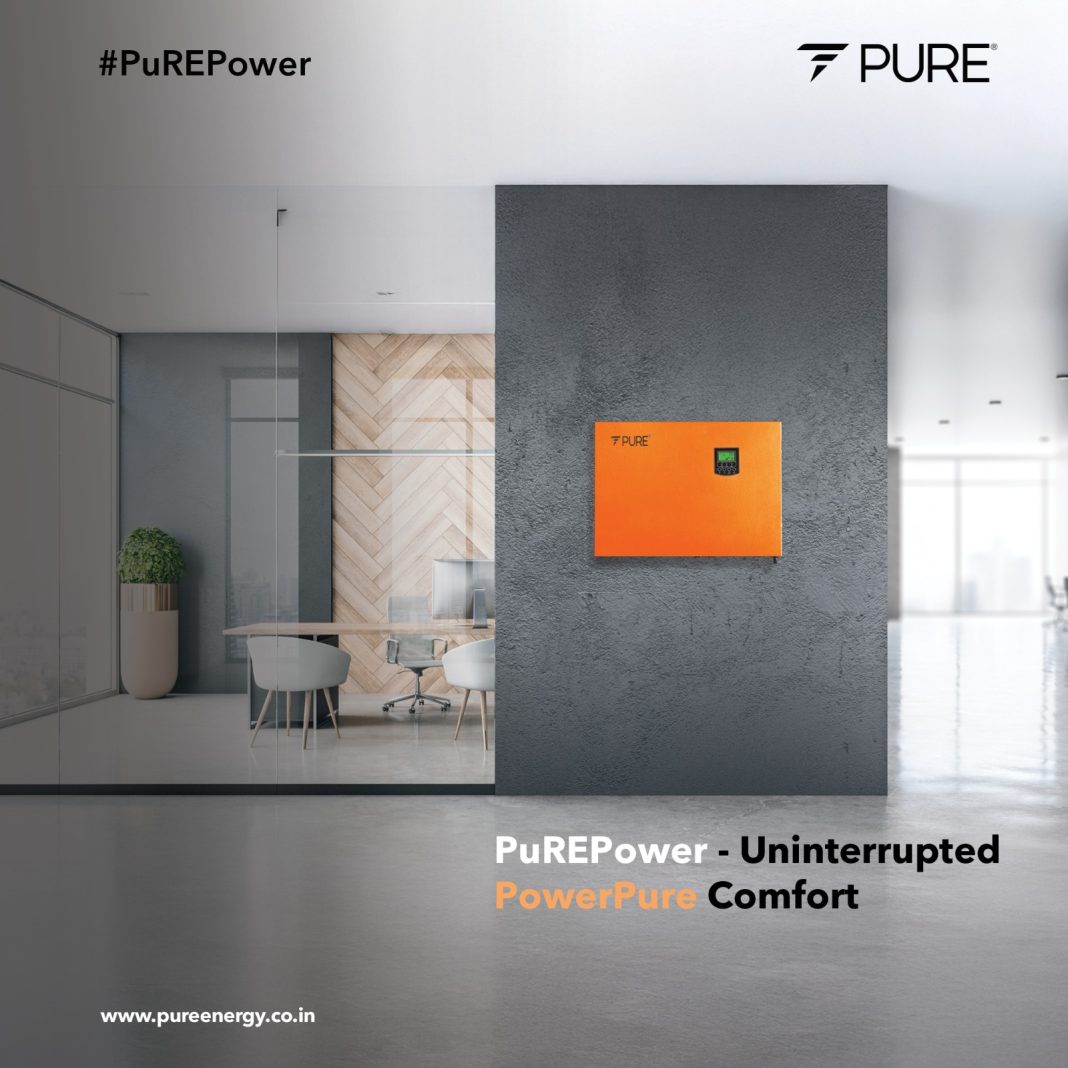
Brands focusing on cleaner energy and smart systems, like what you see around Power Backup solutions for home , are leaning heavily into this shift. It makes sense. Less maintenance, smaller footprint, and no acid smell. My parents still don’t trust lithium much, though. They think it’ll “blast” because phone batteries do. Old fears die hard.
Solar Backup Sounds Fancy, But It’s Not Just for Rich Homes
I used to think solar power backup was only for villas with terraces and big budgets. That perception is changing fast. Hybrid solar inverters let you use solar during the day, store some energy, and switch to the grid when needed. Kind of like having multiple income sources instead of relying on one salary.
There’s also a weird satisfaction in knowing your fan is running on sunlight while the rest of the building is dark. Not gonna lie, it feels smug.
Online sentiment around solar-backed power systems is mostly positive, but people complain about installation quality more than the product itself. Bad wiring can ruin even the best setup. This part is underrated and rarely discussed in glossy articles.
The “Silent” Benefit Nobody Talks About
One thing I didn’t expect was how much mental peace a good power backup brings. No panic during outages. No rushing to save files. No checking the power schedule like it’s a cricket score.
There’s also the noise factor. Old-school inverters hum, buzz, and sometimes click like they’re thinking too hard. Newer systems, especially premium ones, are almost silent. That matters more than specs when you’re trying to sleep.
I’ve seen tweets where people joke that their inverter makes more noise than their neighbors. Funny, but also kind of sad.
Buying Smart Instead of Buying Fast
If I had to redo my decision, I’d spend less time comparing prices and more time understanding usage. How many hours of backup do I actually need? What appliances are non-negotiable? Do I plan to add AC later? These questions matter.
A lot of newer platforms and brands are trying to educate buyers instead of just selling boxes, which is refreshing. You can see that approach reflected in how Power Backup solutions for home are being positioned more as long-term energy planning rather than emergency fixes.
Final Thoughts, Not a Conclusion
Power cuts aren’t going away tomorrow. If anything, load is increasing faster than infrastructure. Having a solid power backup at home is less about luxury now and more about basic comfort.
I still think most people delay buying because it feels like a boring purchase. No excitement, no brag value. But once you have a good setup, you wonder how you lived without it. Kind of like a washing machine or decent WiFi.