
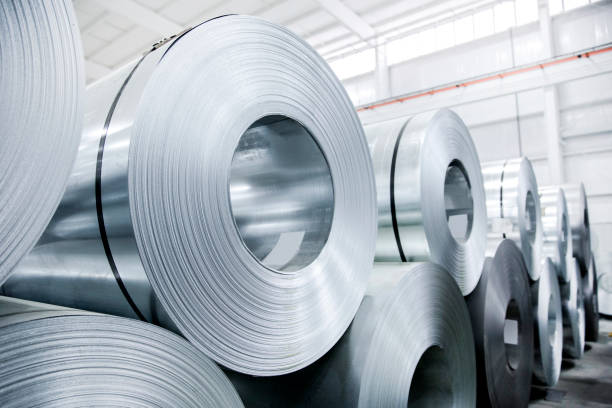

The way steel actually moves, not how textbooks say it does
I’ve spent enough time around this industry to know that steel doesn’t behave politely. It doesn’t follow neat charts or clean economic theories. It moves like traffic in an old city. Loud, unpredictable, and somehow still functioning. In the middle of all that chaos are Steel traders, usually blamed when prices jump and completely ignored when things go quiet. Funny how that works. First paragraph and already I’m siding with them a bit, maybe too much, but whatever.
Steel is supposed to be boring, right? Gray coils, heavy rods, warehouses that smell like rust and oil. But once money gets involved, it turns dramatic real fast. Prices change because someone sneezed in China, or because a port got delayed by rain. That sounds exaggerated, but ask anyone who’s been around long enough and they’ll nod like they’ve seen worse.
Why steel pricing feels like guessing the weather with a broken app
People love asking why steel prices fluctuate so much, like there’s a single clean answer. There isn’t. It’s more like juggling while riding a bike downhill. Raw material costs, freight rates, fuel prices, government duties, demand from construction, demand from auto, random geopolitical tension that nobody saw coming. One small shift and the whole thing wobbles.
A lesser-known thing most folks miss is how inventory psychology works. When buyers think prices will go up, they hoard. When they think prices will drop, they vanish. There was a stat floating around on LinkedIn last year saying mid-size distributors in India can hold up to three months of stock, but emotionally they behave like they only have three days. I laughed when I read that, then realized it’s painfully accurate.
Steel traders sit in that gap between fear and opportunity. They buy when WhatsApp groups are screaming “market down, market down” and sell when everyone suddenly needs material yesterday. It’s not magic. It’s nerve.
Margins, myths, and the “traders make too much” story
There’s this popular belief online, especially on Twitter threads that try to sound smart, that traders are swimming in margins. I wish. Most days it’s more like floating and hoping not to sink. Margins in steel trading are often thinner than the paper used to write the invoice. One bad shipment, one delayed payment, and the profit of five deals disappears.
A small niche fact people don’t talk about is credit risk. In some regions, traders finance buyers for 30 to 60 days using their own working capital. That’s basically being a bank without the benefits of being a bank. No fancy risk department, just gut feeling and past experience. Sometimes that gut feeling is wrong. Very wrong.
I remember once thinking a buyer was solid because he posted motivational quotes every morning on Instagram. Turns out positivity doesn’t pay bills. Lesson learned, slightly expensive lesson.
How online chatter messes with real-world steel decisions
Social media has quietly become part of the steel ecosystem, whether people admit it or not. Telegram channels drop “inside news” about mills shutting down. Instagram reels show price lists like they’re fashion drops. Even YouTube analysts with ring lights talk about hot rolled coil like it’s crypto.
The weird part is that traders actually watch this stuff. Not because it’s always accurate, but because sentiment moves faster than facts. If enough people believe prices will rise, they often do, at least for a while. It’s kind of like a self-fulfilling rumor, which sounds stupid until you see it happen.
Sometimes the chatter is dead wrong. I’ve seen panic selling triggered by a viral post that later turned out to be based on outdated data. But by then, damage done. Steel is heavy, but market emotions are heavier.
Steel as a mirror of the economy
Steel tells you things about the economy before official reports do. When construction slows, steel feels it first. When infrastructure spending picks up, steel wakes up early. That’s why traders watch things like cement dispatch numbers or even real estate site traffic. Sounds random, but it works.
There’s a quiet stat I once came across that stuck with me. A one percent increase in infrastructure spending can push steel demand by almost double that in certain developing markets. It doesn’t trend on social media, but it matters more than most headlines.
Steel trading, at its core, is about reading these small signs and acting before everyone else does. It’s not glamorous. Mostly spreadsheets, phone calls, and stress headaches. But it keeps the supply chain breathing.
Ending where it actually matters
At the end of the day, steel isn’t just metal. It’s timing, trust, and tolerance for risk. It’s waking up to price updates and sleeping with payment worries. It’s getting blamed when rates rise and forgotten when projects get completed on time.
And yeah, Steel traders aren’t perfect. They make mistakes, chase bad deals, sometimes trust the wrong people. But without them, the whole system would move slower, cost more, and break more often. That’s not opinion, that’s just how trade works, even if it’s not pretty.
Steel will keep changing, markets will keep arguing, and someone on the internet will always say traders are the problem. Meanwhile, trucks will still roll, warehouses will still open, and deals will still happen, quietly, imperfectly, and very human.
- Tags
- Steel traders