
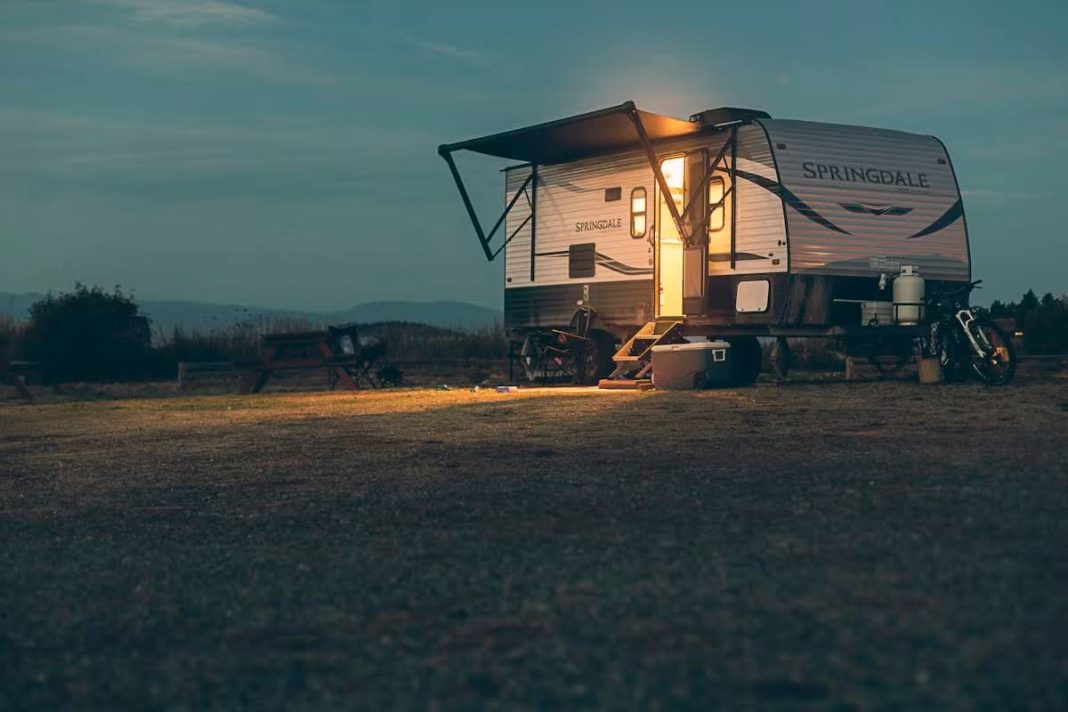

Whether you are hauling a camper, boat, or utility trailer, ensuring its safety during travel is crucial. A well-secured trailer not only protects your valuable cargo but also prevents accidents, theft, and unnecessary wear and tear. If you are planning a road trip or transporting goods across long distances, these five essential tips will help enhance trailer safety throughout your journey.
1. Inspect Tires and Brakes Before Every Trip
Just like any vehicle, a trailer’s tires and braking system must be in top condition to ensure safe travel. Before hitting the road, inspect your trailer’s tires for signs of wear, cracking, or low tread. Also, check tire pressure according to the manufacturer’s recommendation.
Don’t forget the spare tire—make sure it’s inflated and ready for emergencies. In addition, test the brake system, especially if you are towing a heavy load. Faulty or unresponsive trailer brakes can increase stopping distance dramatically and put everyone on the road at risk.
2. Use a Gooseneck Trailer Lock for Theft Prevention
Security does not end once the trailer is parked. Whether you are stopping for fuel or camping overnight, trailers are a common target for theft. A Gooseneck Trailer Lock is a simple yet highly effective solution for deterring thieves. It attaches directly to the trailer’s coupler, making it nearly impossible to hitch the trailer without a key.
These locks are heavy-duty, weather-resistant, and often come with advanced locking mechanisms that resist drilling or picking. Investing in a quality trailer lock gives you peace of mind that your trailer remains where you left it—even when you’re away.
3. Ensure Proper Weight Distribution and Secure Loading
Improper weight distribution can make a trailer unstable, leading to dangerous swaying or jackknifing on the road. When loading your trailer, aim to place about 60% of the weight toward the front half and keep it low to maintain balance.
Avoid overloading, and secure all items with straps or tie-downs to prevent shifting during transit. A balanced trailer will track straight and respond better to steering, braking, and acceleration, making your journey smoother and safer.
4. Check Lighting and Signal Connections
Proper lighting is essential for safe towing, especially at night or during poor weather conditions. Before departure, test all tail lights, brake lights, and turn signals on the trailer. These lights are powered through your towing vehicle, so inspect the electrical connection for any corrosion or loose wiring.
If lights flicker or fail, replace bulbs or consult an auto-electrician. Functional trailer lighting ensures other drivers are aware of your movements, reducing the risk of rear-end collisions and traffic violations.
5. Drive with Caution and Know Your Limits
Towing a trailer requires a different driving approach. Allow for increased stopping distance, take wider turns, and avoid sudden lane changes or abrupt braking.
Reduce your speed on highways and drive slower than the posted limit on winding or steep roads. Always use your mirrors to monitor the trailer and check blind spots. Awareness and patience are key—safe towing isn’t about speed, but about control and vigilance.
With these five tips in mind, you’ll be better prepared for safe and secure trailer travel, no matter where the road takes you.